How Positive Reinforcement Builds Confidence in Kids with ADHD
Understanding ADHD and Self-Esteem Challenges
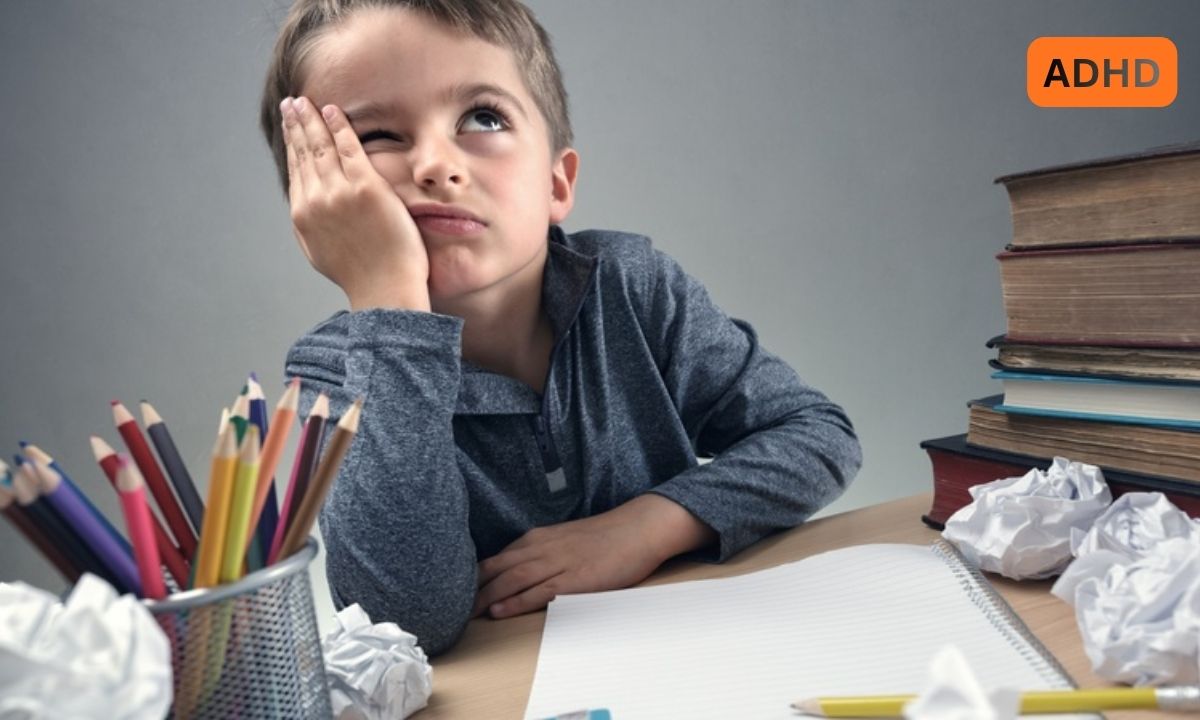
Children with ADHD often hear more criticism than praise. They may struggle with focus, impulsive behavior, forgetfulness, and emotional regulation, leading adults to correct them frequently throughout the day. Over time, constant negative feedback can lower confidence and make children feel incapable or misunderstood.
Positive reinforcement is one of the most effective ways to build confidence in children with ADHD. Instead of focusing only on mistakes, positive reinforcement highlights effort, progress, and good behavior. This approach helps children develop self-esteem, motivation, and emotional resilience.
Children who feel supported and encouraged are more likely to believe in their abilities and continue trying even when tasks become difficult.
What Is Positive Reinforcement?
Positive reinforcement involves rewarding desired behaviors to encourage them to happen again. Rewards do not always need to be large or material-based. In many cases, simple praise, encouragement, or recognition can have a powerful impact.
Examples of positive reinforcement include:
- Praising a child for completing homework
- Recognizing good listening skills
- Giving extra playtime after responsible behavior
- Using sticker charts or point systems
- Celebrating small improvements
The goal is to help children associate positive feelings with productive behaviors.
Why Positive Reinforcement Works for ADHD Children
Children with ADHD often struggle with motivation because tasks may feel harder for them compared to other children. Repeated failures or criticism can cause frustration and emotional withdrawal.
Positive reinforcement changes the focus from punishment to encouragement. This helps children feel successful and valued.
Benefits include:
- Increased motivation
- Improved behavior
- Better emotional regulation
- Stronger parent-child relationships
- Reduced anxiety
- Higher self-esteem
When children receive recognition for their efforts, they become more willing to participate and try again after setbacks.
Focusing on Effort Instead of Perfection
One common mistake adults make is expecting perfect behavior immediately. Children with ADHD usually improve gradually, not instantly.
Positive reinforcement should focus on effort and progress rather than perfection. For example:
- “You worked really hard on your homework today.”
- “I noticed you stayed calm during that activity.”
- “Great job remembering your school bag.”
These comments encourage growth without creating unrealistic pressure.
Even small achievements deserve recognition because they help build long-term confidence.
Building Better Emotional Regulation
Many ADHD children struggle with frustration and emotional outbursts. Positive reinforcement can help them learn emotional control by rewarding calm and responsible behavior.
For example, when a child handles disappointment appropriately, adults can immediately recognize that behavior. Over time, children begin understanding that emotional control leads to positive outcomes.
Teaching emotional regulation may include:
- Praising calm responses
- Encouraging deep breathing
- Rewarding problem-solving skills
- Recognizing patience during difficult moments
Children who feel emotionally supported are more likely to develop healthy coping mechanisms.
Using Reward Systems Effectively
Reward systems can be highly effective when used consistently. Simple charts, tokens, or point systems help children visualize progress and stay motivated.
However, rewards should remain realistic and achievable. If goals are too difficult, children may become discouraged.
Effective reward systems include:
- Clear expectations
- Small achievable goals
- Immediate feedback
- Consistent rewards
- Positive encouragement
For younger children, sticker charts may work well. Older children may prefer earning extra activities or privileges.
The focus should remain on encouraging positive habits rather than controlling behavior through punishment.
Strengthening Parent-Child Relationships
Positive reinforcement improves trust and communication between parents and children. ADHD children often feel misunderstood, especially when they receive frequent criticism.
When parents intentionally recognize positive behaviors, children feel noticed for their strengths rather than only their struggles.
Simple actions such as smiling, praising effort, or spending quality time together can strengthen emotional bonds and create a more supportive home environment.
Children who feel emotionally secure are better able to handle academic and social challenges.
Encouraging Independence and Responsibility
Confidence grows when children feel capable of completing tasks independently. Positive reinforcement encourages responsibility by helping children believe they can succeed.
Parents and teachers can gradually encourage independence by praising:
- Completing chores
- Organizing school supplies
- Following routines
- Managing homework
- Practicing self-control
As children gain confidence, they become more willing to take initiative and solve problems on their own.
Avoiding Negative Labels
Children with ADHD may sometimes be labeled as “lazy,” “difficult,” or “disruptive.” These labels can deeply affect self-esteem and emotional development.
Positive reinforcement helps replace negative labels with encouraging messages that focus on strengths and growth.
Instead of criticizing mistakes constantly, adults should aim to guide behavior calmly while recognizing improvement.
Every child needs to feel capable and valued regardless of their challenges.
Professional Support for ADHD Management
Some children benefit from additional professional guidance to help manage ADHD symptoms and emotional development. Specialists can provide behavioral strategies, therapy, and personalized support for families.
Parents looking for ADHD evaluations and child behavioral support services can explore Seed Medical Hong Kong for professional assistance tailored to children’s developmental needs.
Early support combined with positive parenting strategies can make a significant difference in a child’s confidence and future success.
Helping ADHD Children Believe in Themselves
Confidence is not built overnight. Children with ADHD need ongoing encouragement, patience, and emotional support to recognize their strengths.
Positive reinforcement teaches children that mistakes do not define them. Instead, effort, persistence, and improvement matter most.
By focusing on encouragement rather than criticism, parents and teachers can help ADHD children develop resilience, independence, and self-belief that lasts into adulthood.